
Rodent Information and Control
Protect your home or business from rodents and mice by learning techniques for identification and control.
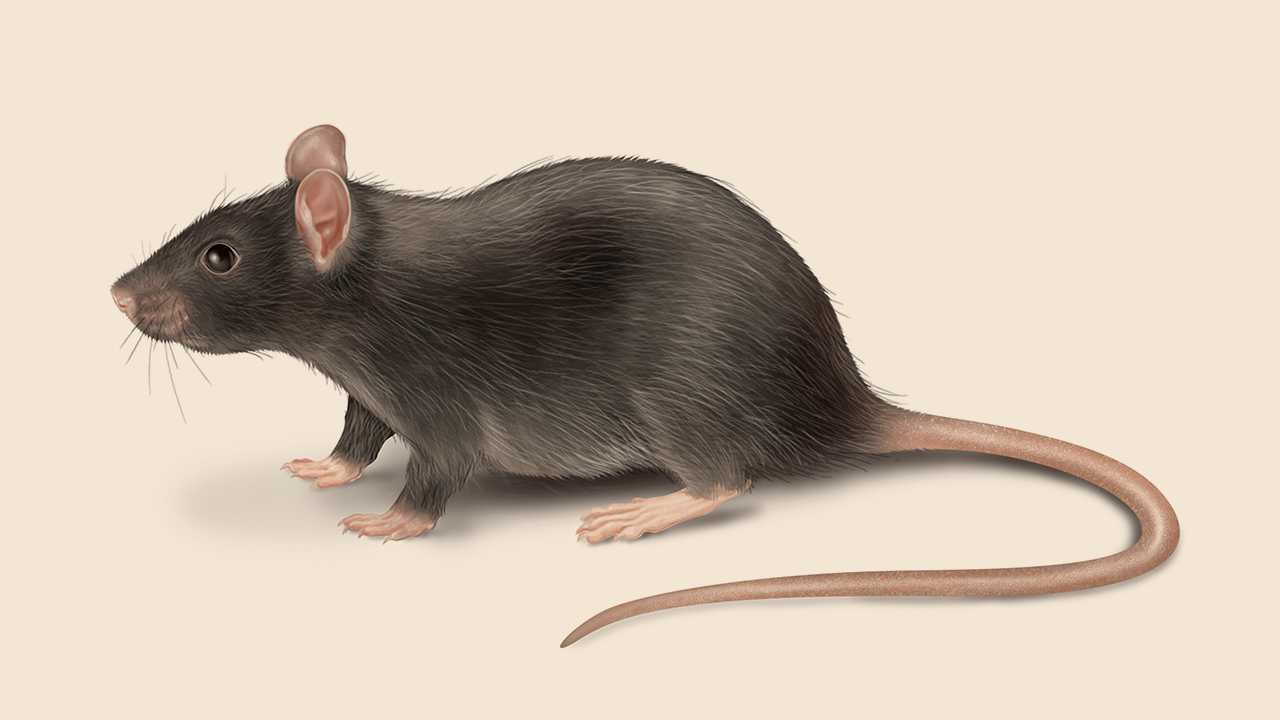
Order Rodentia
IDENTIFY
Types of Termites
Types of Rodents
What do rodents look like?
Rodents are warm-blooded mammals that, like humans, can be found throughout the world. They have oversized front teeth for gnawing and check teeth, which are adapted for chewing. They chew on a variety of items available to them and cause great damage in and around homes.
-

Mice
-

Rats
-

Chipmunk
-

Gopher
-

Groundhog
Marmonta Momax
-
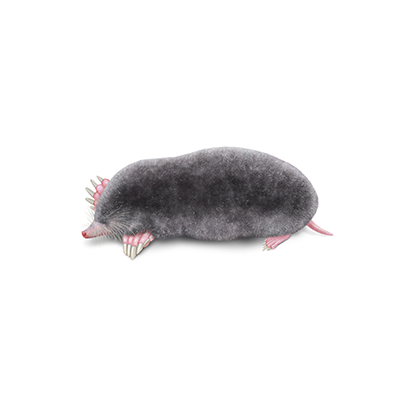
Mole
Treatment
How do I get rid of rodents?
What Orkin Does
Rodents are not only a hazard to human health, they can also compromise the integrity of an infested structure through continuous gnawing. Rodents multiply quickly, making infestations extremely difficult to remove. Orkin Pros are trained to address any current rodent infestation, as well as implement solutions to help prevent future issues. Through a specialized approach to rodent and pest control, Orkin can help protect your home with a plan suited to your specific needs.
If you are experiencing a rodent infestation, you should immediately contact your Orkin Pro for an inspection, consultation and customized solution. To learn more about how to get rid of rodents and protect your home, contact your local Orkin branch.
Call us: 225 5527
FAQs
-
In addition to being tough to control, rodents may carry diseases and taint food with waste, fur, and saliva. In fact, mice can contaminate about 10 times the amount of food they eat. The CDC links some rodents to hantavirus pulmonary syndrome, a disease fatal in about 36 percent of all reported U.S. cases.
The pests are also hosts for fleas, which can spread plague and diseases like lymphocytic choriomeningitis virus. This illness mostly affects those with weakened immune systems and may result in headaches, fever, and meningitis. It can also cause complications during pregnancy.
It is not advisable to handle any wild rodent. They are equipped with large teeth and are capable of transmitting a variety of bacteria, viruses and diseases through their saliva, feces and urine.
If you locate a rodent within your home, it is best to contact a pest management professional for removal and identification. The presence of one rodent within a home could signal an infestation.
Keep all children and pets away from the rodent. If cornered, the rodent will bite to defend itself.
-
Rodents are a group of nuisance pests that includes mice, rats, and squirrels. These animals can contaminate food, damage property, and spread disease. The rodents that most often come into conflict with people in the United States are:
Rats
Instincts: Rats are instinctively wary of things new to their environment, including rat control measures such as traps and bait, and colonize in attics, burrows, under concrete and porches, in wall voids and other hard-to-reach places.
Disease: Rats can harbor and transmit a number of serious diseases. They can also introduce disease-carrying parasites such as fleas and ticks into your home.
Mice
Access: Mice invade your home seeking food, water and warmth.
Contamination: Each mouse can contaminate much more food than it eats.
-
Rodents tend to be rapid breeders. Some species breed year-round, and populations are maintained through constant reproduction. Females produce pheromones that attract the attention of males. After sensing the female’s hormones, the male mouse emits an ultrasonic mating call.
A female mouse produces between five and eight offspring after mating. Although females are protective of their young, some also consume their offspring if exposed to high stress such as famine.
Mice young are blind, deaf and hairless for the first three days following birth. For mice with dark adult coloration, pigmentation of the skin begins on the third day. Within five to seven days, fur begins to grow and the ears become receptive. Eyes open between days 10 and 14, at which point young mice become mobile and begin to feed on solid foods.
In 21 to 28 days, babies wean from their mother’s milk. They reach maturity between days 28 and 35 and are then capable of reproduction. Some specimens are capable of breeding at six weeks. Mice tend to live for approximately one year.
-
Rodents thrive across the world in almost any habitat with access to food and water. Because of their small size, they can be difficult to keep out of a home. Rats can get indoors through holes the size of a quarter, while mice can use gaps the size of a dime to come inside.
-
Rodents are some of the most adaptable creatures on the planet and can be extremely difficult to exterminate. Infestations can cause considerable damage to infested buildings and local agriculture as well as the proliferation of many diseases hazardous to humans.
Rats and mice are both extremely destructive within agricultural communities. A number of species feed on seeds and grains. The feces and urine of some rodents may contaminate surfaces with which they come into contact.
Unified efforts on the part of neighbors can prove extremely effective in preventing infestations. Within apartment buildings and neighborhoods, coordination of prevention measures may include cleaning efforts and landscape alteration. And on an individual level, homes can be rodent-proofed through identifying and sealing as many possible entry points.
In order to protect your home, garden and health from existing rodent infestations however, professional, customized solutions are often necessary.
-
Prevention methods should be implemented early in order to maintain a home without rodents. Rodents reproduce rapidly, and small populations become full-blown infestations in very little time.
Food storage
Keep any possible food sources away from rodents. Small crumbs and garbage are popular sources of infestation, as are dry goods such as grains and cereals. These should be kept in sealed metal or glass containers to prevent contamination. Fruits and vegetables should also be stored properly, and resulting waste should never be left in sinks or on counters.
Cardboard
Cardboard objects prove attractive to rodents, as they tend to chew them up for use in their nests.
Seal openings
Because of the rodents’ body plan, they are capable of squeezing through spaces that appear to be much too small for them. All such holes should be sealed to prevent entry and reentry of rodents.
A pest control professional should be contacted for assistance.

Rodent Facts
More Information About Rodent Problems
The more you know about rodents, the better you can predict and control their behavior. Here are some quick facts to help you on your way.
Lifespan
In their natural habitats, rats and mice usually live about 4-6 months. While in the relatively hospitable conditions of a home or building, rats and mice might live about 1 year.
Reproductive Potential
Rodents are capable of producing a large number of offspring. A sexually mature female house mouse will produce between 6-10 litters of 5-6 young during her lifespan and is able to give birth to her first litter when only about 2 months old.
Defense Mechanisms
While rodents may bite or act aggressive, they do so only as a means of protecting themselves if cornered or startled. Most of the time they will scamper away and seek protection without becoming aggressive.
Food Sources
Rats and mice are omnivores, not carnivores and they will eat seeds, fruits, grain-based foods, meat, feces, and other food sources that are readily available.
Rodents and Pets
Rodents affect pets by consuming and contaminating dog food, creating anxiety for pets, and may carry disease pathogens that can cause pet illnesses. Rodents may also be a source of fleas that can cause irritation or disease to a homeowner’s pets.
RODENT RISKS
What diseases do rodents carry?
Although often small in size, rodents can pose a significant risk to your health. Some species are known to carry deadly viruses and play host to parasitic insects that transmit disease. Humans can be at risk of exposure to diseases from rodents through contact with mouse and rat droppings, as well as their urine, saliva and nesting materials.
In order to properly clean and disinfect contaminated areas, it’s best to rely on an Orkin Pro who uses equipment and materials designed for the removal and clean-up of mouse debris. As the second most populous mammal in urban areas, it’s easy to see why they’re featured on Orkin’s list of “North America’s Most Dangerous Pests”.
GET A QUOTE TODAY
Eliminate pests and prevent future problems.
We are here for you 24 hours a day, 7 days a week.