
Fly Facts & Information
Protect your home or business from flies by learning techniques for identification and control.
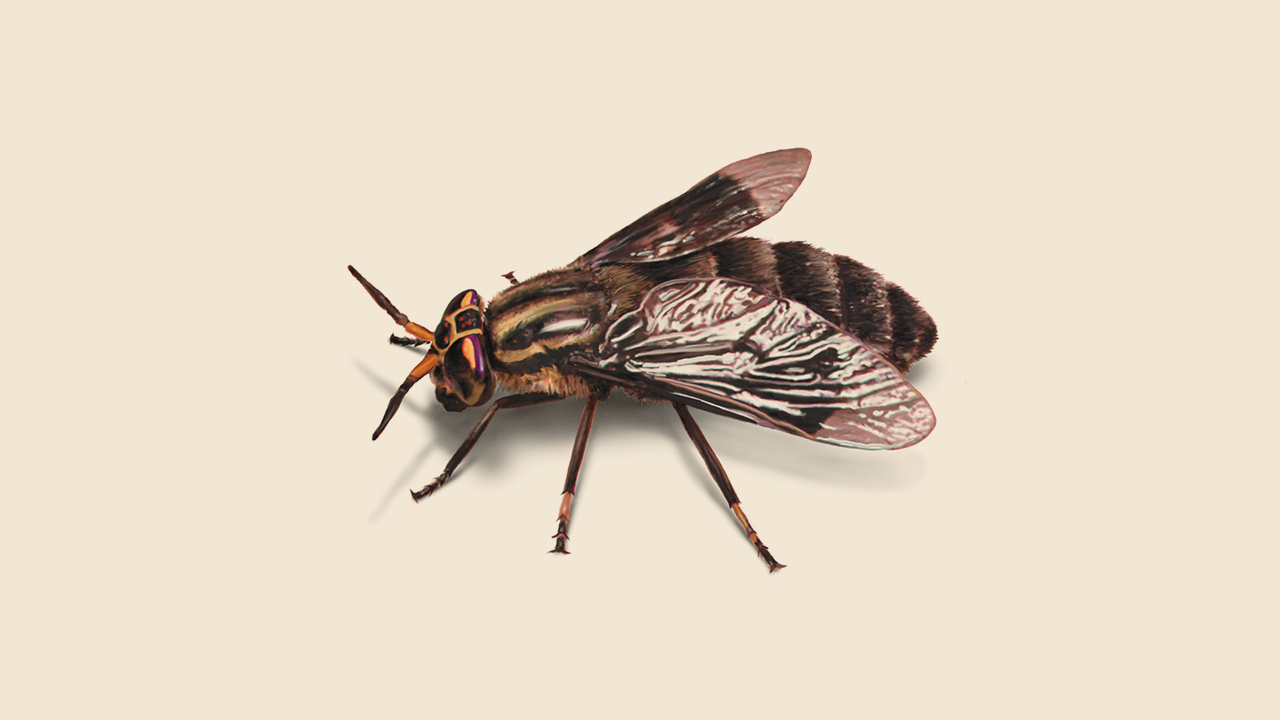
Order Diptera
IDENTIFY
Types of Flies
What do flies look like?
There are more than 16,000 species of flies in North America. But they all belong to the order Diptera, meaning two wings. Because they only have two wings, flies land often and therefore can deposit thousands of bacteria each time they land.
Everyday Flies
-
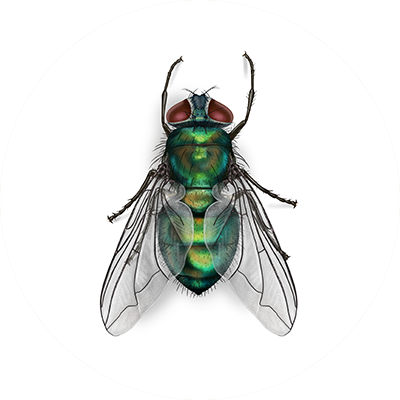
Blow Fly
Family Calliphoridae
-
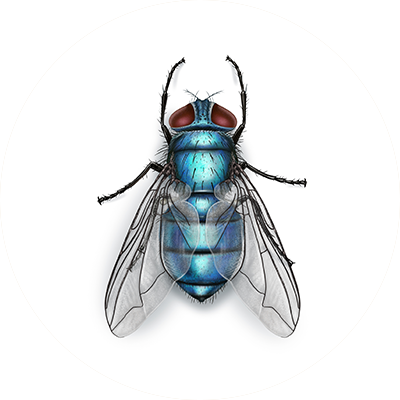
Bottle Fly
Family Calliphoridae
-

Cluster Fly
Pollenia
-
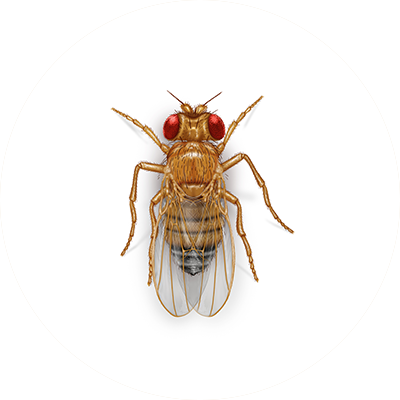
Fruit Fly
Family Drosophilidae
-
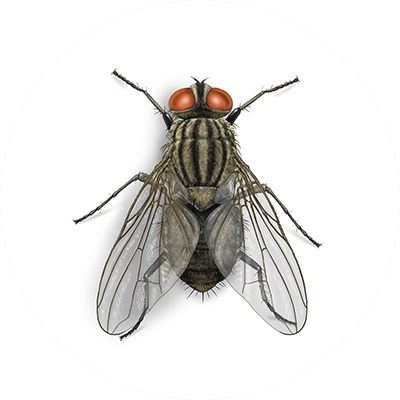
House Fly
Musca domestica
-
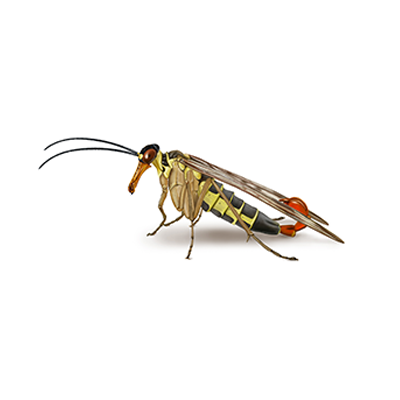
Scorpion Fly
Order Mecoptera
-
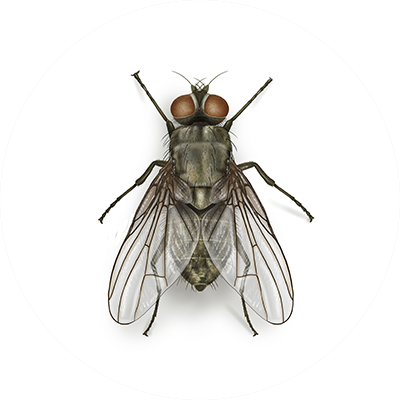
Horn Fly
Haematobia irritans
-
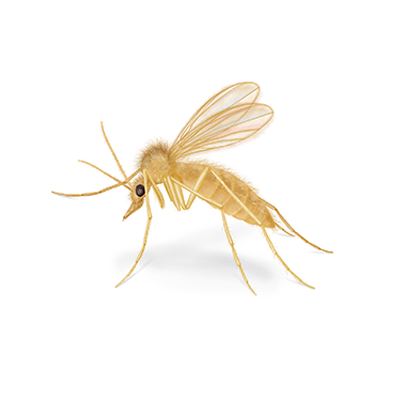
Sand Fly
Family Psychodidae; Subfamily Phlebotominae
Treatment
How do I get rid of flies?
What Orkin Does
Fun fact: flies inhabit every part of the world except the polar ice caps. With that amount of prevalence, it’s important to know what to do if you ever experience a fly infestation outside or inside your home or business. From garbage flies to horse flies, understanding the fly's lifespan, what flies eat, and what they’re attracted to are all facts that are necessary to identify the species you’re dealing with. An Orkin Pro can design a custom fly treatment program to help you properly and effectively get rid of flies.
The best way to repel flies is through simple, strategic measures and an Orkin fly exterminator can provide the perfect solution to keep pesky flies in their place and out of your home. To learn more about how to control flies and help prevent future infestations, contact your nearest Orkin branch.
FAQs
-
There are many different ways homeowners may get a fly in their living space. The insects can enter houses on food products (fruit flies) or drift in through open windows and doors. They may also be attracted to and develop in decaying organic matter in drains. They can also infest dead animals in walls, attics, or other hidden places inside the home. Some species prefer to overwinter inside and are attracted to sunny parts of the home and upper floors of buildings.
-
The best way to repel flies is through simple, preventive measures. To best repel flies, limit access to your home as much as possible, keeping doors and windows closed. You may also choose to screen windows, doors, and vents. Keep garbage cans clean and securely closed. Lastly, keeping surfaces clean will make your home less appealing to flies. For best results, contact an Orkin Pro to discuss fly extermination options.
-
Although it differs depending on the species, flies typically eat organic filth and waste, sugary substances, overripe produce, or other organic materials. When flies feed on waste, they collect pathogens on their legs and mouths. These pathogens are then transferred to food on tables or counters when a fly lands again. Flies regurgitate on solid food then they eat the liquid. They are capable of transmitting disease when they vomit, groom themselves, or just walk on surfaces.Problem Species
Different species of ticks can transmit over 15 viruses and infections. Some of these problem ticks include:
American dog ticks
Deer or blacklegged ticks
Lone star ticks
Lyme Disease
One of the more common tick-borne ailments is Lyme disease. If left untreated, Lyme disease can affect the heart and nervous system, so early detection and medical intervention are crucial. Symptoms include:
Fatigue
Fever
Headache
Joint pain
Skin rash
-
Because people correctly associate flies with filth, these pests disgust and annoy residents in homes. The insects can also transfer disease organisms when they touch food and kitchen surfaces. In addition, certain fly species can inflict painful bites on humans and animals. The U.S. Department of Agriculture sources reveal that flies contaminate or destroy $10 billion worth of agricultural products annually.
Disease
Millions of microorganisms may flourish in a single fly’s gut, while a half-billion more swarm over its body and legs. Flies spread diseases readily because they move quickly from rotting, disease-laden garbage to exposed human foods and utensils. Every time a fly lands, it sloughs off thousands of microbes which can cause serious illnesses like:
Bloodstream infections
Diarrhea
Food poisoning
Meningitis
More than 100 pathogens are associated with the house fly, including Salmonella, Staphylococcus, E. coli, and Shigella. These pathogens can cause disease in humans and animals. Some of the diseases include:
Cholera
Bacillary dysentery
Hepatitis
Typhoid fever
Prevention for Pets
Regular pet inspections can reduce the chance of your pet contracting a tick-borne disease. Feeding ticks should be removed as soon as they are discovered. Many treatments are also available from your veterinarian's office for tick control.
-
Flies plague every part of the world except the polar ice caps. Flies prefer warm temperatures and are most active from late spring to early autumn.
-
The development of flies involves a four-phase life cycle. Beginning as eggs, flies undergo larval and pupal stages before emerging as adults. Depending on the species, the life expectancy of a fly is eight days to two months or, in some cases, up to a year.
One pair of flies can produce more than 1 million offspring through their offsprings’ offspring in a matter of weeks.
Eggs
The fly’s life cycle begins when a fertilized female finds a suitable location for laying her eggs. The ideal egg site is material that the larvae will eat when they hatch from the egg. Examples of egg-laying sites might include a pile of trash, feces or other damp, decomposing organic material. In some cases, fertilized eggs hatch within 24 hours.
Larvae
Upon hatching, larvae feed upon the organic material. Fly larvae eat for several days to weeks, storing enough protein and nutrients to last through their upcoming pupa stage.
Pupal
When larvae are grown, they leave their food source and seek dry, dark places within which to pupate. During the pupal stage, flies develop from legless larvae into adults with six legs, compound eyes and a pair of wings.
Adult
Development time from egg to adult vary depending on species, environmental conditions and abundance of food. Some flies can complete their development in the matter of a couple of weeks if conditions are right.
Fly Facts
The more you know about flies, the better you can predict and control their behavior. Here are some quick facts to help you on your way.
Life Expectancy
Depending on the species, the life expectancy of a fly is eight days to two months or, in some cases, up to a year.
Reproduction Potential
One pair of flies can produce more than 1 million offspring through their offsprings' offspring in a matter of weeks.
Bites
Biting flies feed on blood, attacking humans and other animals as food sources. Some care capable of transferring disease through these feeding habits.
Horseflies
Some of the largest flies in the world, horse flies, are common throughout North America and produce extremely painful bites.
Flies and Pets
While filth flies, such as the common house fly, are attracted only to offal and manure, biting flies will actively irritate pets. Large populations can seriously impact your pet's health.
Understanding Fly Problems
More Resources
Dig Deeper on Flies
Places Flies are Attracted to
Learn why proper sanitation is crucial in preventing flies from infesting a restaurant kitchen.
Discover what to do if you’re combating a sewer fly infestation.
Gain an understanding of common garbage flies and how they play a vital role in breaking down organic matter.
Fly Life Cycle
Explore the development of flies and their four-phase life cycle from egg to adult.
Since the life expectancy of a fly is short, their ability to reproduce quickly makes them difficult to control.
Where Do Flies Lay Their Eggs?
Where flies lay their eggs depends on the species of fly and their preferred habitat.
Facts About Flies
From large horse flies to nearly microscopic midges, learn about the most common biting flies that homeowners may encounter.
Read facts about horse flies and the types of flies that might bite dogs, livestock and other animals.
Learn how to properly identify a fly species and why it’s an important key in eradicating unwanted populations.
Gain an understanding of how to keep flies away from animals and what to do if a pet or livestock are bit.
Flies have six legs, mouthparts it uses to liquify food, and compound eyes that allow them to see a large radius around their bodies.
One of the best ways to keep flies away is to maintain your yard, clean garbage cans regularly, and dispose of pet feces correctly.
Although it depends on the species, flies are usually attracted to decaying substances, organic materials, or sugary food items.
Questions About Flies
Why Are These Large, Black, Slow-Moving Flies in My House?
Your home may be infested with cluster flies that are very common during the Spring season.
How Can I Prevent House Flies in Spring?
If you're seeing an influx of flies during springtime, you may have a cluster fly infestation in your house.
What Are These Small, Black Flying Insects in My Laundry Room?
Most likely you have drain flies or moth flies. Read more to figure out which pest you may have and how to get rid of them.
Where Are These Giant House Flies Coming From?
Giant house flies may actually be cluster flies-- a species of fly that is very common inside homes.
How Do I Get Rid of Fruit Flies in My Kitchen?
The first way to get rid of fruit flies is to remove their source of food and breeding location, which is typically overripe produce. To learn how exterminators get rid of fruit flies, contact an Orkin Pro.
Drain flies do not bite, so if you're seeing bug bites, it may be a sign of a different pest problem that your Orkin Pro can help identify.
GET A QUOTE TODAY
Eliminate pests and prevent future problems.
We are here for you 24 hours a day, 7 days a week.