
Firebrat Facts & Information
Protect your home or business from firebrats by learning techniques for identification and control.
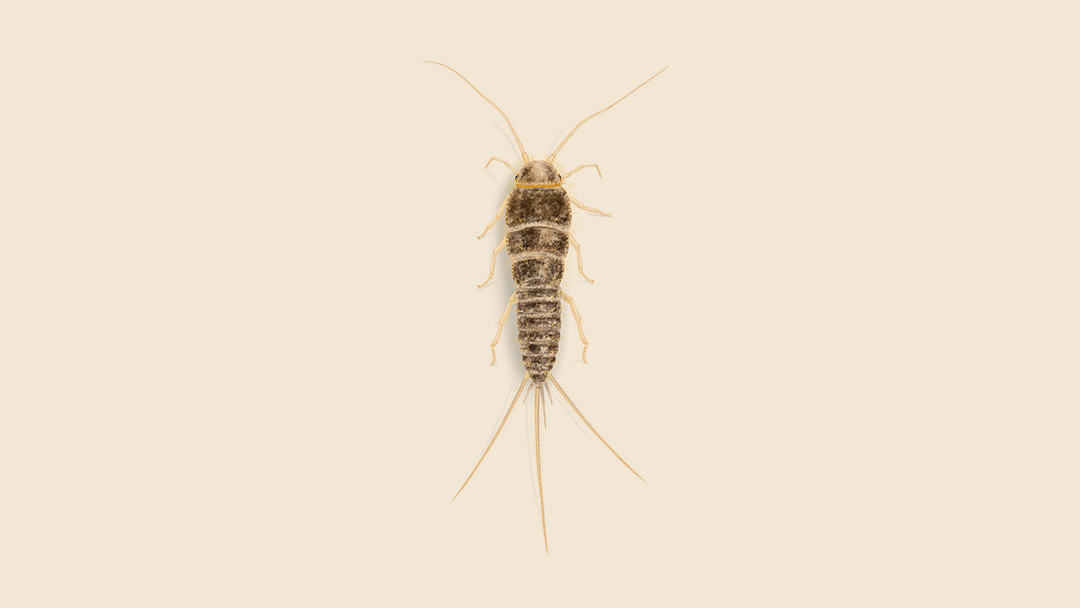
Thermobia demestica
Treatment
How do I get rid of firebrats?
What You Can Do
No single method or simple technique is successful in controlling firebrats. Here are some tips to help prevent infestation:
Seal holes and cracks around windows and doors.
Lower the temperature and humidity in the home by using air conditioning units, fans, or dehumidifiers.
Fix any leaking plumbing pipes to reduce the firebrat’s source of water.
What Orkin Does
It is wise to seek the services of a pest management professional when using insecticides to combat an infestation of firebrats, as it takes the integrated approaches of prevention, sanitation, and treatment with a product. If firebrats become a problem, seek the help of your local Orkin service branch.
-
Moisture and dampness lure firebrats into homes. Some common attractors are:
Leaky roofs
Cracked sinks
Broken showerheads
Firebrats love to hide amongst clutter and even enter homes in shipping containers or cardboard boxes.
How Do They Get Inside?
Infestations in a home or business can begin when infested books, papers, cardboard boxes, shipping cartons or furniture are brought into the home.
-
Identifying Damage & Signs of Infestation
While they don't bite humans or spread disease, a firebrat does feed on and contaminate household materials. This includes stored foods, like cereal and flour, along with anything that contains sugar or protein. Also, firebrat bugs are known to damage books, papers, and other stored paper-related items.
Other Problems
In addition, firebrats move along surfaces with startling stop-and-start motions that make some people uneasy. Firebrats usually are found near their food sources, but may move considerable distances to feed and locating them can be a major challenge.
FAQs
Behavior, Diet & Habits
Understanding Firebrats
Appearance
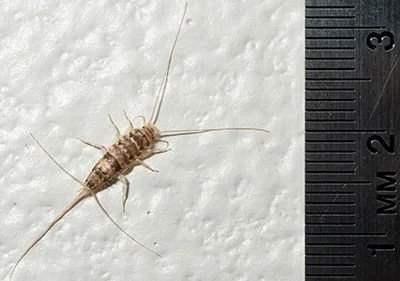
Two of their most distinguishing characteristics are the presence of a long pair of antennae and 3 long, slender, hair-like structures that extend from the last segment of their body – giving them the common name, bristletails.
Color: Firebrats are grayish-brown and speckled with darker spots on their back.
Body Shape: Their body is tapered from front to back and is somewhat carrot-shaped.
These insects do not have wings, but move around by running rapidly. Often confused for silverfish, firebrats are a different species and generally prefer warmer habitats than silverfish.
Habitat
Both young and adult firebrats share the same or very similar environments, so all ages of the insect will be located together in a suitable habitat. The pests are primarily seen in environments that are generally dark and warmer than 90 degrees F, including near dryers, hot water heaters, steam pipes, ovens and attics. Firebrats may be found in bathtubs since they often are trapped in the tub as they seek moisture.
Life Cycle
Eggs are laid in batches of about 50 and hatch in a little less than two weeks, which explains why a homeowner may suddenly see a large number of small firebrats in places they’ve never been seen before. The insects will live for about three to four years and molt throughout their lives.